

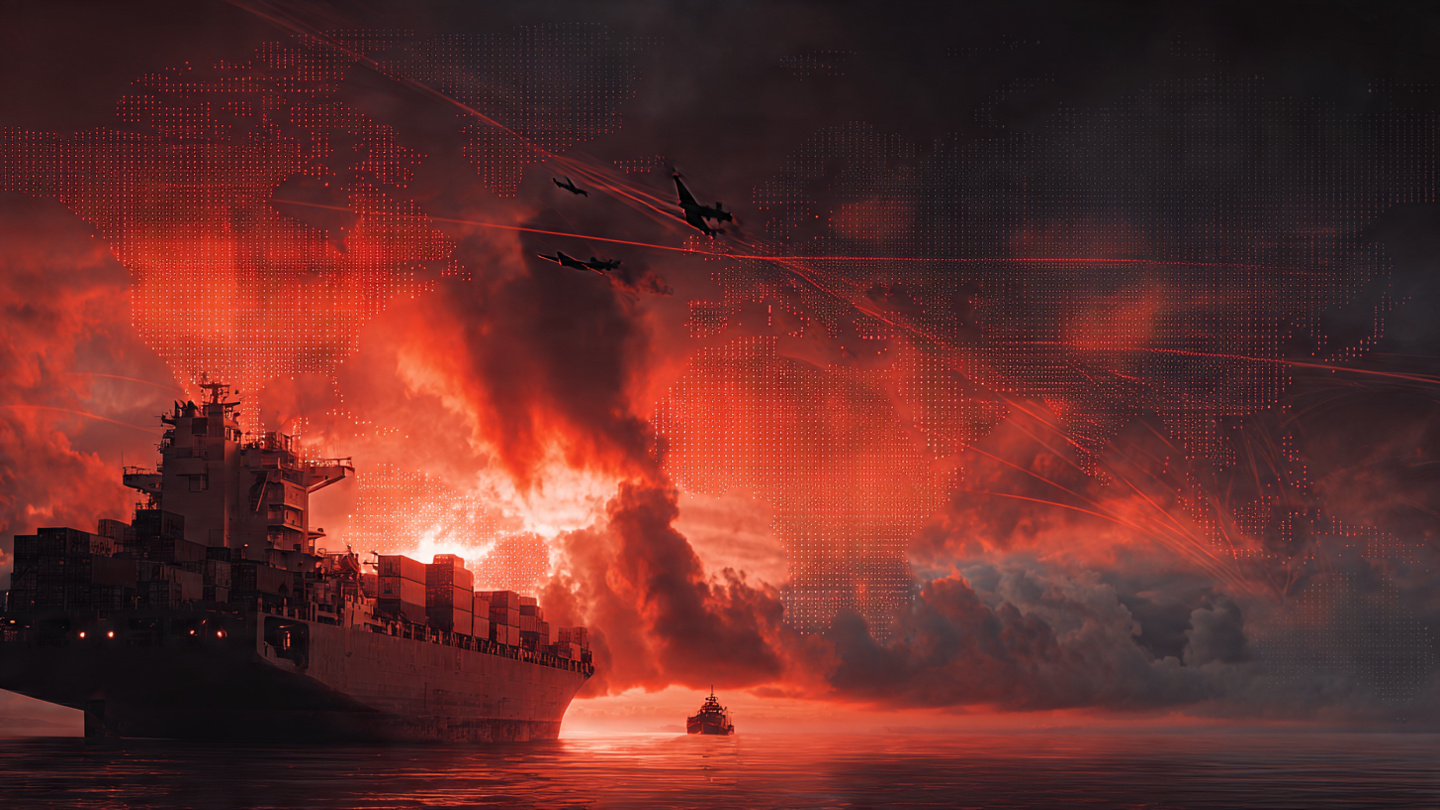
How the US–Israel War on Iran Is Disrupting Global Logistics in 2026
In early 2026, the Middle East witnessed a sharp escalation in conflict as the United States and **Israel launched coordinated military strikes on Iran, triggering widespread regional instability and global supply chain disruptions.
This conflict, which has drawn in allied and proxy forces across the region, is now affecting international trade, shipping routes, energy markets, and global logistics networks — all with serious implications for companies around the world.
🚀 What Triggered the Conflict?
The 2026 military operation — involving the US and Israel — targeted strategic Iranian military installations and leadership positions. Iran responded with missile and drone strikes not only against these forces but also across the broader Middle East.
The situation has since escalated beyond a localized conflict, involving regional proxy groups and expanding military engagements, creating a volatile geopolitical environment.
🌊 Key Global Shipping Routes at Risk
One of the most immediate logistics impacts has been on global maritime trade, especially around the Strait of Hormuz — one of the world’s most important oil and freight arteries, through which around 20% of global oil exports pass each day.
With the conflict making the strait unsafe for routine passage, many shipping companies are rerouting vessels around longer sea paths, such as via the Cape of Good Hope, adding significant transit time and cost to ocean freight.
Some carriers have suspended operations in the area entirely due to risk to crews, insurance and infrastructure.
✈️ Air Freight & Logistics Disruptions
The conflict has also disrupted air cargo networks as major carriers avoid Middle Eastern airspace. Independent aviation analysts estimate approximately 18% of global air freight capacity has already been temporarily removed due to airport closures and safety issues.
As a result, freight forwarders are warning clients of delays, surcharges, and constrained capacity on key intercontinental trade lanes.
📦 Rising Costs and Energy Prices
Because Iran plays a central role in global oil markets, the war has triggered a sharp rise in energy prices. Oil and gas costs have soared as disruptions around the Strait of Hormuz add uncertainty to supply flows — pushing up energy, transport and logistics costs worldwide.
Higher oil prices increase fuel costs for shipping, trucking, and air freight — ultimately threatening higher prices for consumers and businesses alike.
🌀 Broader Supply Chain Risks
Beyond cost and timing impacts, the conflict is exposing vulnerabilities in global supply chains:
- Container shipping delays due to rerouted maritime traffic
- Port congestion as alternative routes become saturated
- Air cargo capacity shortages leading to rate spikes
- Increased insurance premiums for carriers operating near conflict zones
These disruptions are reminiscent of previous global logistics shocks, but the scale and speed of escalation in 2026 have blindsided many planners.
💡 What This Means for Businesses
For businesses that rely on international freight and distribution, this escalation underscores several key lessons:
- Diversify supply routes (sea, air, and alternative hubs)
- Build extra buffer time into schedules
- Stay informed on geopolitical risk and updates
- Work with logistics partners who can adapt quickly
Even though your company’s operations may be domestic (e.g., within the UK), global disruptions can still affect raw materials, imports, and inventory flows before they enter the country.
📍 Final Thoughts
The US–Israel war on Iran has already reshaped global logistics patterns, pushing companies to rethink routing strategies, manage rising costs, and prepare for prolonged supply chain uncertainty.
At a time when supply chain flexibility is more important than ever, resilience and adaptability are the keys to staying competitive.
👉 Contact us for UK-wide transport: Lets Talk


